Barefoot shoes for wide feet
If nearly every sneaker squeezes you at the sides, the problem isn't you: it's the shape of the shoe. Here's how to measure yourself and what to look for.
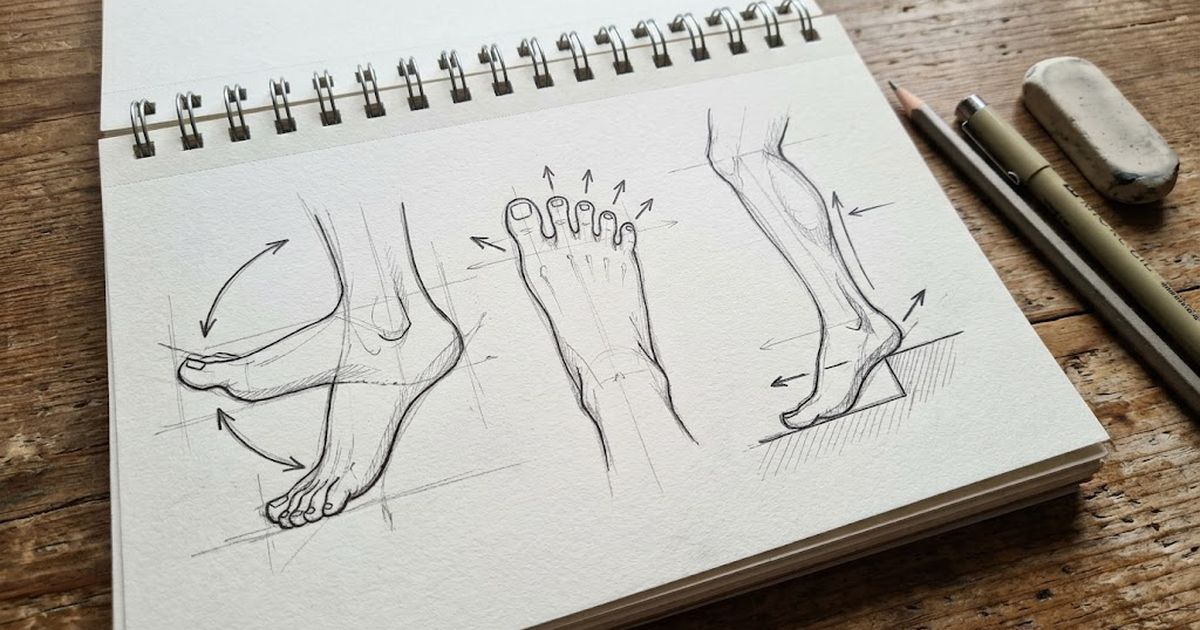
Measure your foot width
- Stand barefoot on a sheet of paper, with your weight on both feet.
- Holding a pencil upright, mark both sides of your foot at its widest point, usually across the base of the toes.
- Measure the distance between the marks in millimetres. Repeat with the other foot: it's normal for them to differ.
That number is what you compare with the shoe's inner width. Barefoot brands that take fit seriously publish it; if it isn't listed, do the insole test.
Signs your shoes are too narrow
- Red marks or rubbing on the side of the little toe or the big toe.
- Toes overlapping by the end of the day.
- The shoe bulging outwards at the sides, as if your foot were trying to escape.
- Instant relief when you take them off.
The insole test
Take out the insole and stand on it. If your toes or the edge of your foot hang over the sides, the shoe is narrower than your foot, even if the length is right. In barefoot shoes, shape matters as much as size.
What to look for
- A foot-shaped toe box: wide exactly where your toes are, not just slightly wider overall. More in wide toe box.
- Real laces: they let you adjust over the instep without squeezing the front.
- A removable insole: so you can do the test above before wearing them.
- A material with a little give: canvas adapts slightly to your foot with wear while keeping its shape.
A lacing trick
If you feel pressure at one spot on the instep, leave a pair of eyelets uncrossed right there and keep lacing above it. The lace stops pressing on that spot and the shoe still holds.
PAS DE TRES and wide feet
PAS DE TRES uses a wide last designed to let your toes spread. We'll publish the inner width of every size with the final sample, alongside the length, in the size guide.
Comments
We review every comment before publishing it. Your email is never published.