Barefoot shoe benefits: what the research says
There is a lot of hype around barefoot shoes. Here we separate what studies have actually measured from what is still opinion.
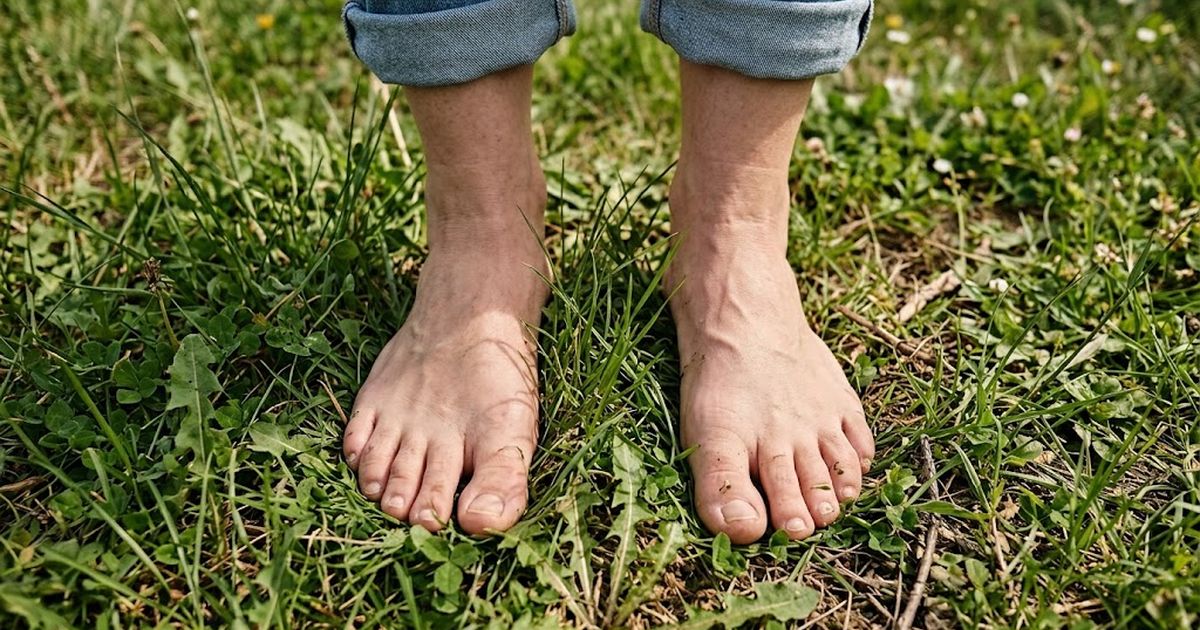
1. Stronger feet
This is the benefit with the best data. In a randomised trial with 57 runners, those who walked daily in minimalist shoes for 8 weeks gained foot muscle size and strength as much as those who did a foot-strengthening programme; the control group didn't change (Ridge et al., 2019).
Another study followed adults who wore minimal footwear in daily life for six months: their foot strength rose by 57.4% on average, reaching the level of people who had worn such shoes for years (Curtis et al., 2021). The authors note that foot strength has been linked to better balance.
2. Feeling the ground
A study in Nature compared people who usually go barefoot with people who wear shoes. Habitually barefoot people had thicker calluses, yet they didn't lose sensitivity; a cushioned sole, on the other hand, does reduce what the foot perceives (Holowka et al., 2019).
That study is about going barefoot, not about any shoe. Our reading, which is an interpretation and not a finding: if you need a sole in the city, a thin and flexible one is the closest you get to that feeling.
3. Room for your toes
A wide toe box lets your toes spread as you land instead of being squeezed. You don't need a study to feel it on the first step, but we won't promise it will change the shape of your foot: that hasn't been shown.
What the research doesn't say
- That barefoot shoes prevent injuries. Studies of running injuries give conflicting results (Esculier et al., 2015).
- That they suit everyone. Some feet and situations call for something else, and a professional can tell you.
- That you can switch overnight. A sudden change carries real risks (see below).
The risk: going too fast
In a study of 36 runners, more than half of those who moved to minimalist shoes over 10 weeks showed signs of stress in at least one foot bone on MRI (Ridge et al., 2013). The authors don't conclude the shoes are bad, but that the transition must be very slow. Here's how: how to switch to barefoot shoes.
This article is for information only and is not a substitute for advice from a health professional. If you have pain, an injury or a foot condition, ask before changing your footwear.
Sources
- Ridge et al. (2019). Walking in minimalist shoes is effective for strengthening foot muscles. Medicine & Science in Sports & Exercise 51(1).
- Curtis et al. (2021). Daily activity in minimal footwear increases foot strength. Scientific Reports 11.
- Holowka et al. (2019). Foot callus thickness does not trade off protection for tactile sensitivity during walking. Nature 571.
- Ridge et al. (2013). Foot bone marrow edema after a 10-wk transition to minimalist running shoes. Medicine & Science in Sports & Exercise 45(7).
- Esculier et al. (2015). A consensus definition and rating scale for minimalist shoes. Journal of Foot and Ankle Research 8.
Comments
We review every comment before publishing it. Your email is never published.